

Horizontal (End) Seal Leaks? 4 Steps Before You Touch the Temperature
Horizontal Seal Fails? Don't Touch the Temperature Yet
Walk These 4 Steps First - Save Two Hours of Detours
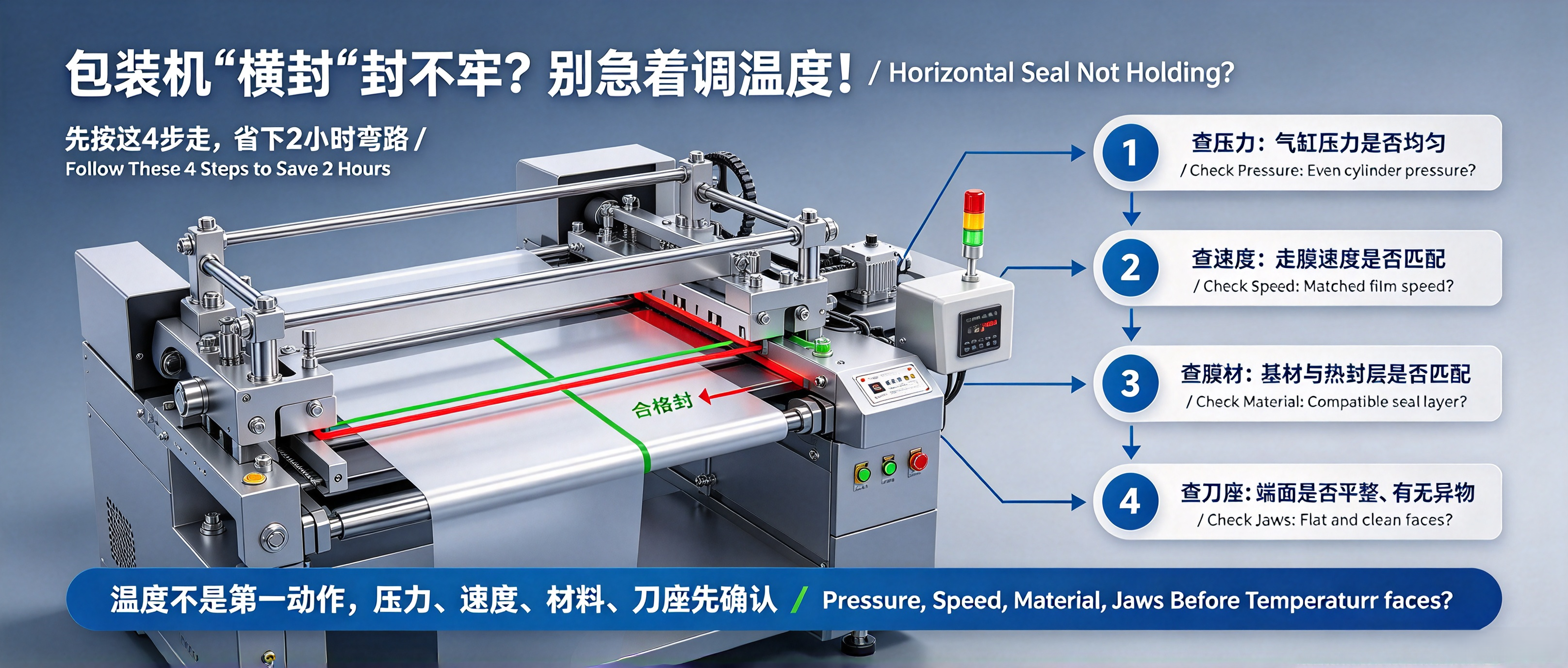

Cover: the end-seal jaw with glowing heating bars - start here when the seal fails
You just loaded a new roll and the end seal tears open. Your first instinct is to grab the temperature knob. Stop. Many veterans raise the heat first, only to burn and wrinkle the film - two hours gone.
01 Why Not Touch the Temperature First
The manual's fault table lists four causes for "horizontal seal fails or tears": wrong temperature, dirty jaw, front/rear jaw misalignment, and poor film. Note that temperature is not first.
“The front and rear end-seal jaws run hot, so film sticks to them easily; if not cleaned in time, the bags will not seal firmly. Clean the jaws regularly.”
— VFFS manual - end-seal notes
A thin layer of film scraps or "carbon buildup" on the jaw insulates the heating surface from the film. No matter how high you set the heat, it cannot reach the film.
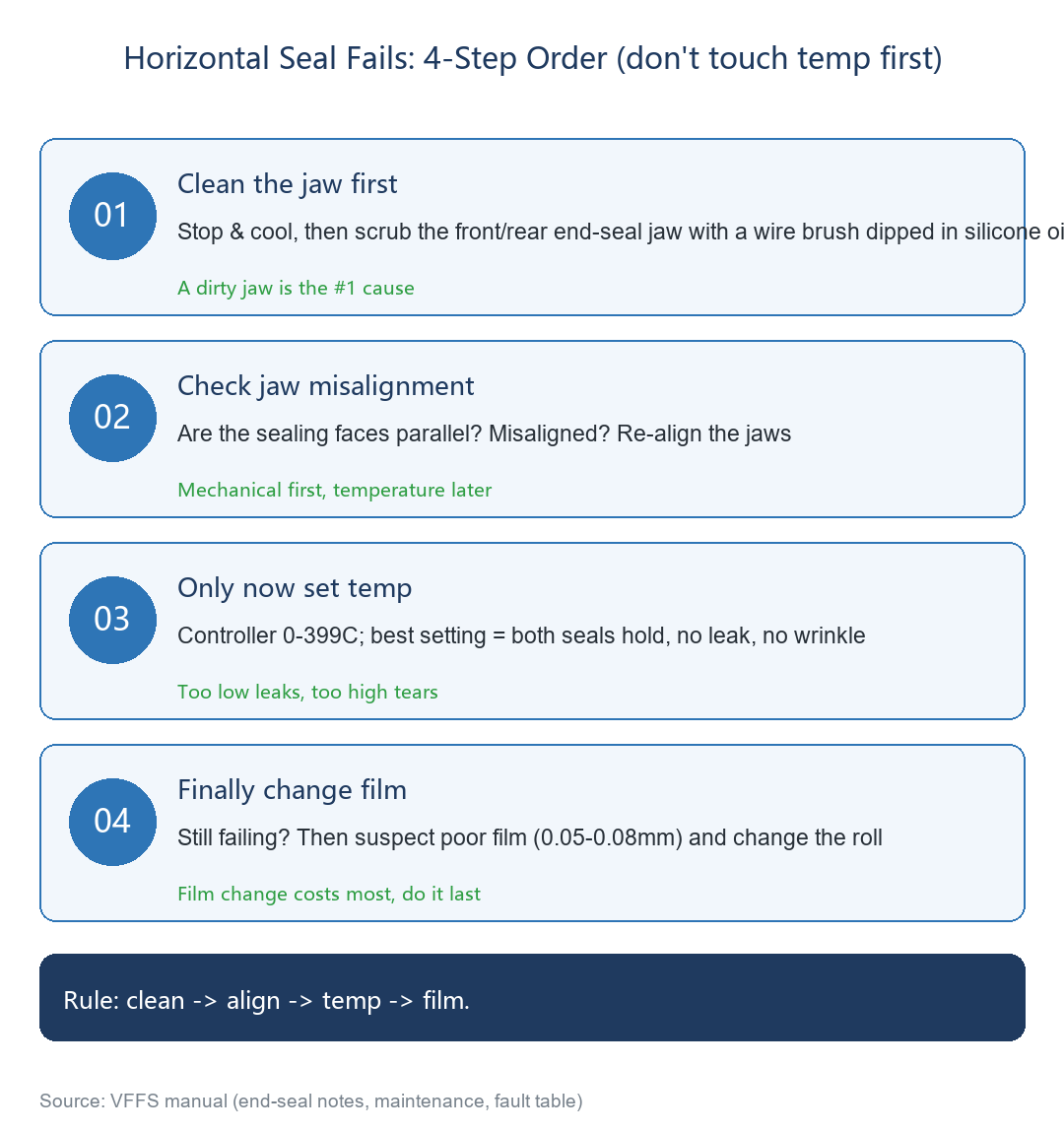

Fig.1: 4-step leak-fix order (re-ordered from the manual fault table)
02 Step One: Scrub the Jaw Clean
⚠ Always cut power and let the heating parts cool fully before cleaning the jaws.
• Dip a wire brush in silicone oil and scrub scraps and black marks off the front and rear sealing faces;
• Silicone oil lubricates and prevents sticking, so the seal pattern presses in solid;
• Run a test bag or two - many failures are already fixed at this step.
03 Step Two: Check Jaw Misalignment
If the jaw is clean but still leaks, check whether the two sealing faces close parallel. If one side presses hard and the other loose, the bag leaks from the loose side.
• Look at the seal pattern: the tight side is crisp, the loose side is faint or missing;
• The manual's fix is four words: re-adjust the jaws. Re-center the misaligned front and rear jaws.
04 Step Three: Only Now Set the Temperature
“The temperature controller is continuously adjustable from 0 to 399C; the best setting is when both seals of the finished bag hold without leaking or wrinkling.”
— VFFS manual - temperature controller
Temperature is not "higher is better" and has no fixed value. The only benchmark: both seals hold and no wrinkle.
• Too low: the seal feels weak, tears open, leaks;
• Too high: the film burns through, the edge tears, it wrinkles;
✔ If cold film or cold air causes leaks, first adjust the sealing temperature, then lengthen delay/action time - do not max out the heat in one step.
05 Step Four: Only Then Change the Film
If the first three steps still fail, the last cause is poor film. The co-laminated film thickness is 0.05-0.08mm; film that is too thick, too thin, or unsuitable for heat-sealing will never seal well - just change the roll.
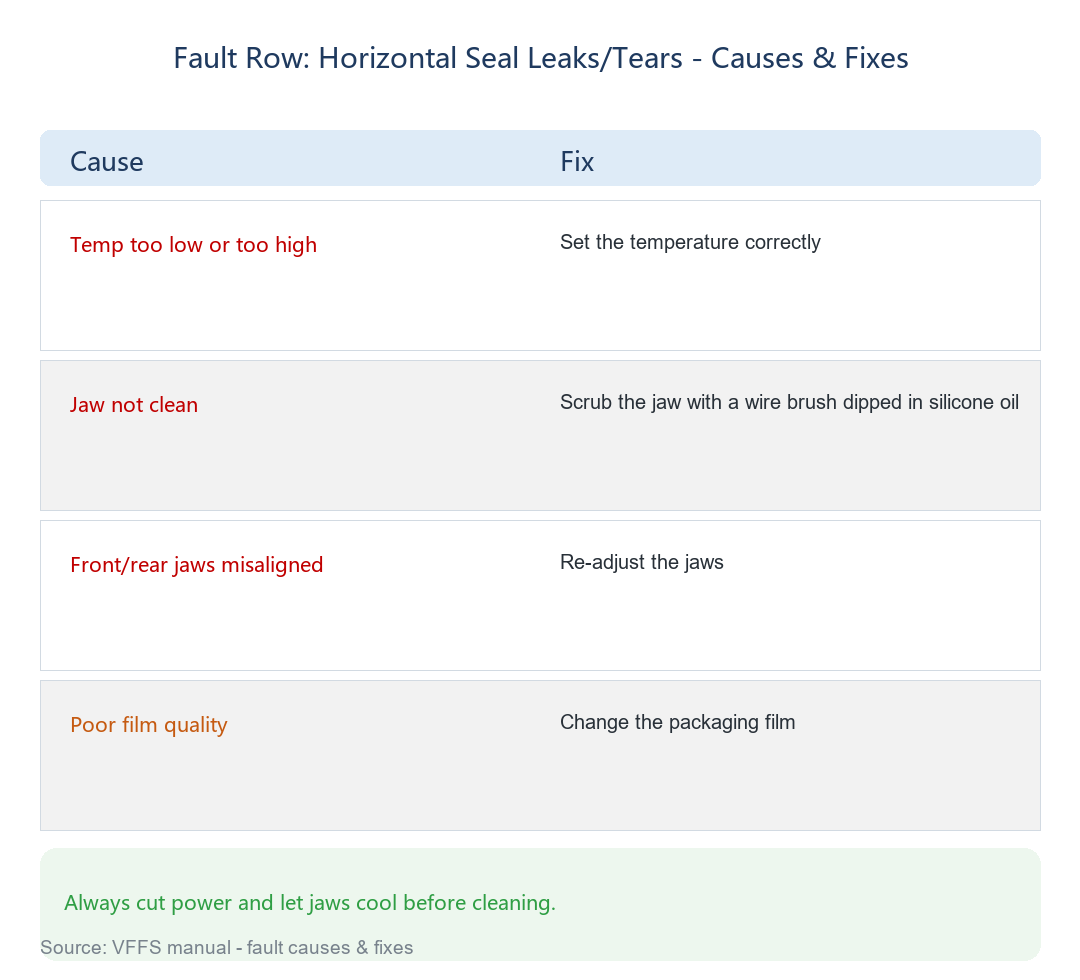

Fig.2: the first fault-table row, cause to fix, one-to-one
Final Thoughts
The order is simple: free things first, paid things last; mechanical first, electrical last. Scrubbing and aligning cost nothing; only changing film costs money. Follow this order and most failures are fixed on the spot.
Call to Action & Series Note
Still fighting a weak end seal? Send us your film (type, thickness, speed) and our engineers will recommend the right sealing-temperature range. Reply with the keyword "manual" to download the VFFS Instruction Manual (PDF).


